

The suit remains a suit. As for the rest, that is open to interpretation.
With her inaugural menswear collection for Givenchy, Sarah Burton puts forward a deceptively simple case: there is no need to reinvent the wardrobe. Just put your hands on it and see what happens.
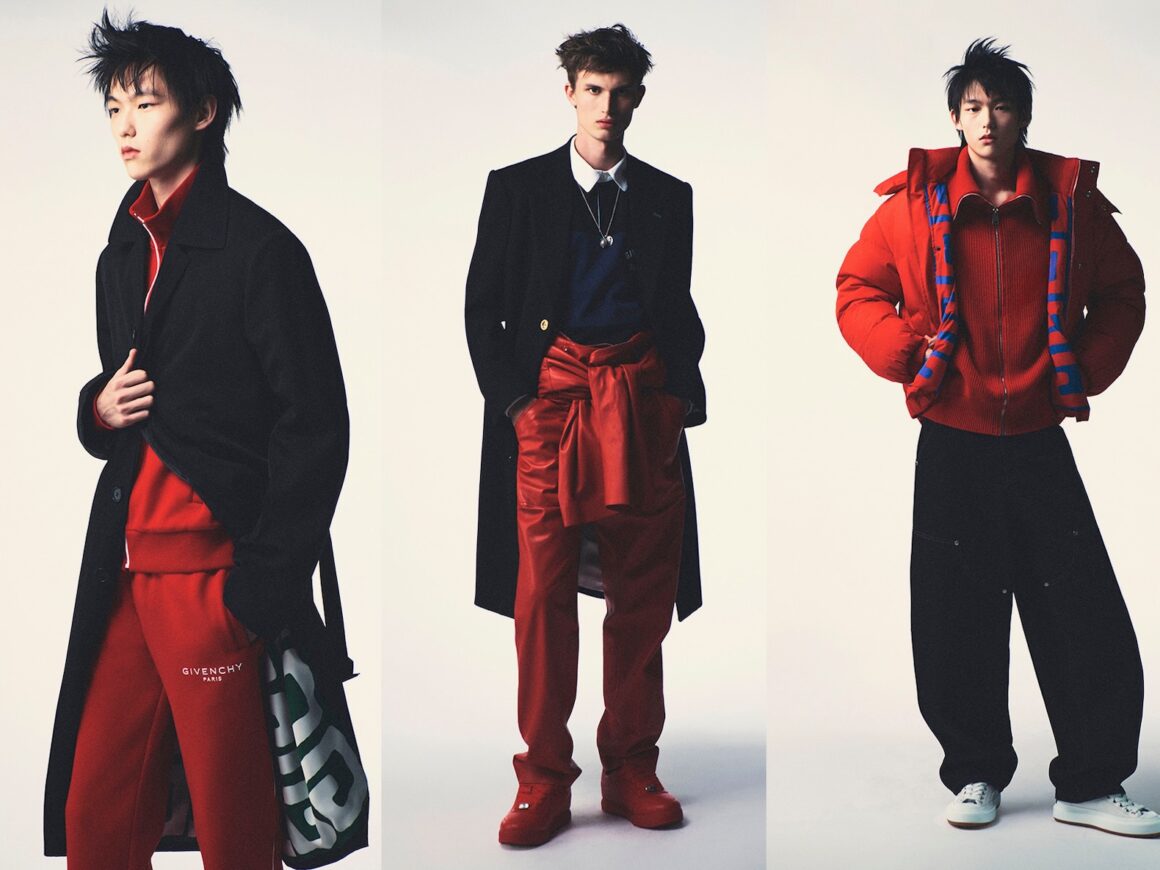
Spring 2027 brings out all the usual suspects. You will find the suit, the white shirt, the bomber, the track jacket, the work coat and the leather piece. There is something for the evening as well. Burton makes no move to do away with any of them. What she does is afford them some air, tinker with the proportions and let them stray into uncharted territory from time to time. It is a polished way of dressing for Givenchy, but one that has a good deal more fun in it.
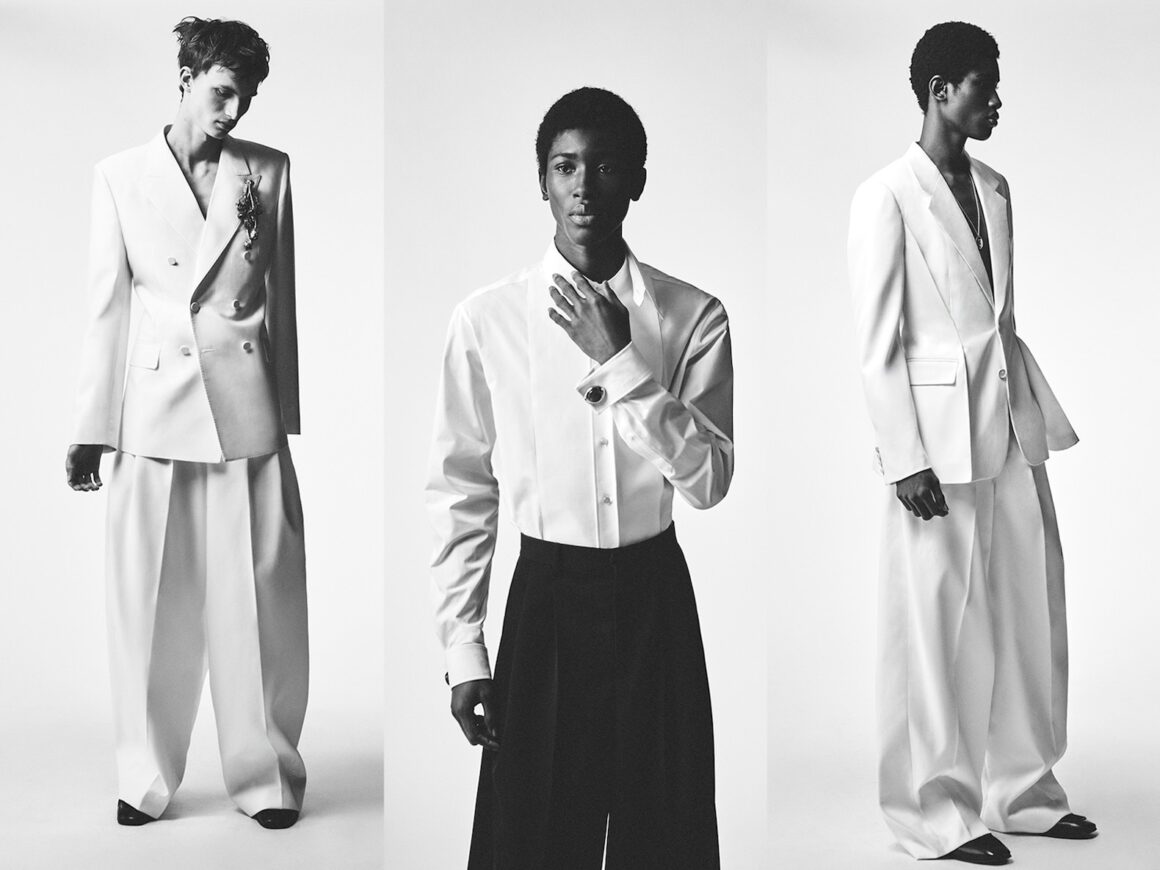
A Suit Without the Solemnity
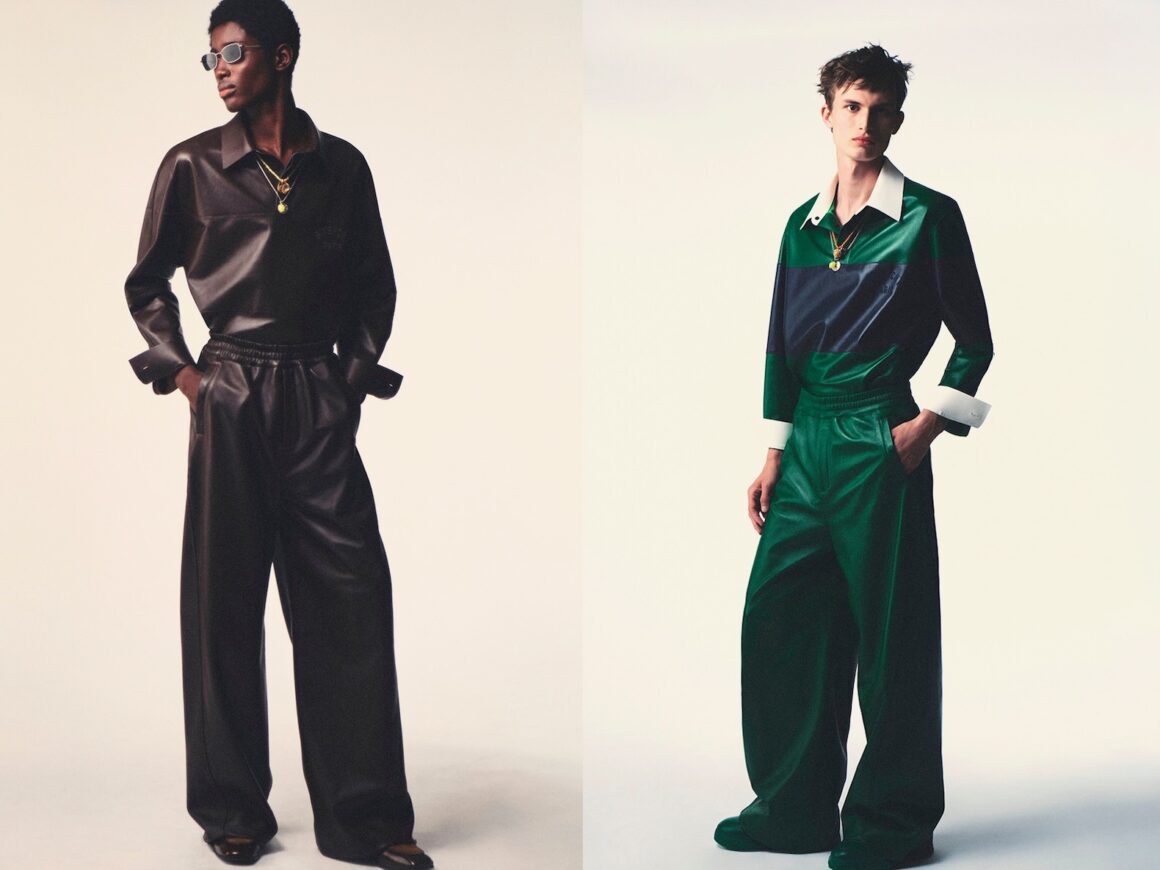
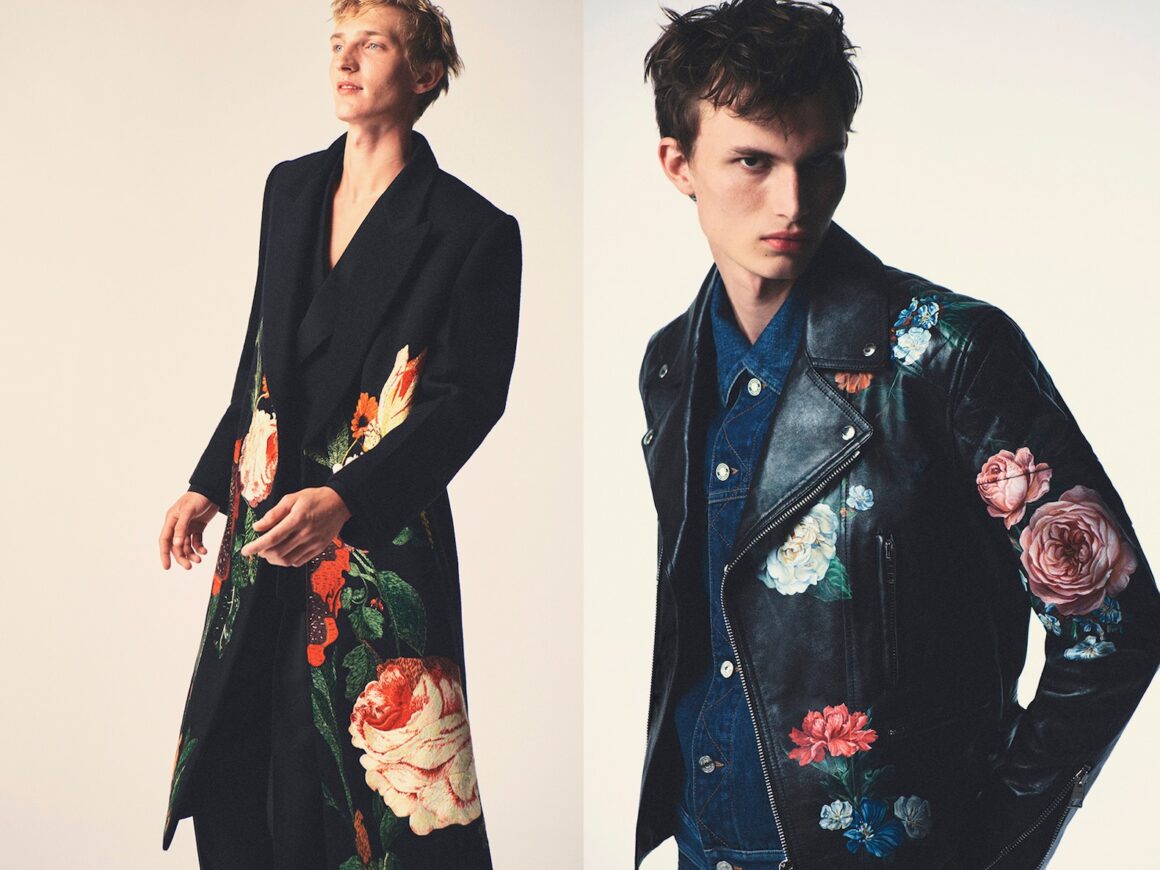
Tailoring is the bedrock here. One sees Prince of Wales checks and pinstripes in broad, self-assured measures; double-breasted jackets are matched to trousers of a generous cut. The silhouette has its authority, yet lacks the rigidity of a uniform. That sort of ease is felt across the board. Jackets are left to open up, the white shirt is given new thought, and embroidery finds its way onto bombers. Leather is not confined to the expected biker jacket but appears on rugby shirts and workwear. And then there is a tracksuit of brilliant colouring that seems far better appointed for an evening out than the gym.
Burton’s method is most engaging when she takes what men know well and disrupts it just enough to draw a second glance.
Some Color to Carry the Day
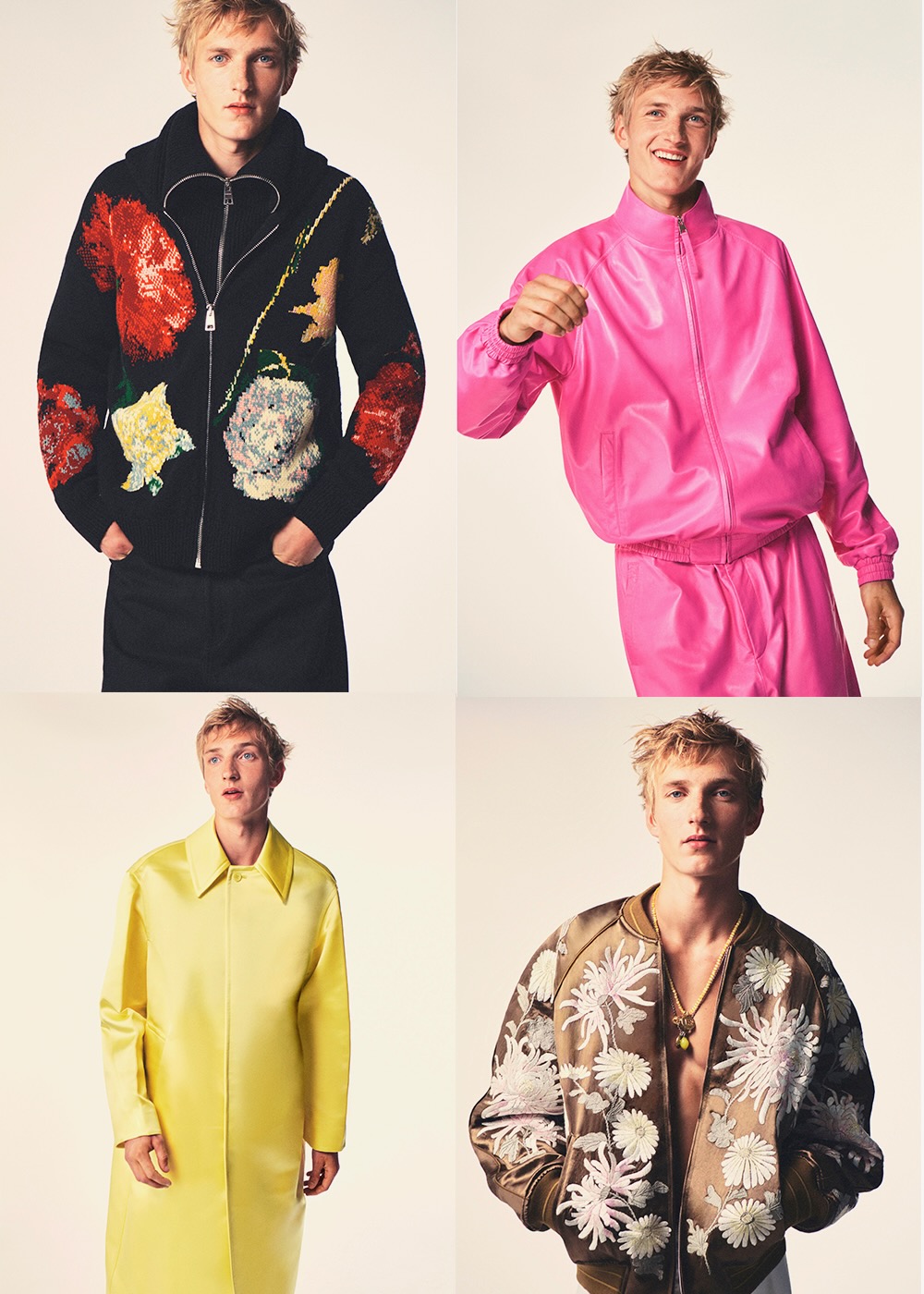
There is a certain sobriety to the tailoring, which is where the colour comes in to do some of the work. Saturated reds, blues and yellows act as punctuation. They are bold but do not overbear the collection, offering a less serious take on traditional menswear codes.
Take the bright yellow satin car coat, for instance. It is hard to miss. Part sportswear, part eveningwear, it makes a compelling case for moving on from black. In other instances, a bit of leather or an odd fabric gives the impression that items from different ends of the closet have been brought together in harmony.
No One-Size-Fits-All Givenchy Man
What is most appealing about Burton’s first outing with the house is the lack of interest in dictating who should be wearing these clothes. There is no new uniform to be had. A sharp suit and a fine leather jacket can coexist with an oversized shirt or some vivid sportswear. An evening number will sit comfortably next to something utilitarian.
A man might be sharply tailored on Monday and a little louche by the weekend, all without leaving Burton’s orbit. Personal style is more interesting when the clothes don’t have to make all the noise.
Better for Being Worn
Held at the Paris headquarters in a setting befitting a house within a house, the presentation was right for a collection concerned with the idea of a proper wardrobe rather than a succession of runway moments. These are pieces to be lived in.
Juergen Teller has put Sir Don McCullin, Don Letts and Danny Fox before the camera for a reason. They are not your standard fashion faces. They have a point of view and a history, and the clothes become part of their character instead of standing in for it. It is not so much this is the Givenchy man as here are some fine clothes, you decide.
Taking Shape
And they are very good clothes. The tailoring has presence without being formal to excess. The leather has attitude. Even the evening wear has an old-fashioned kind of glamour without seeming dated.
One might expect a grand manifesto from a first collection, but Burton is content to establish a wardrobe. There is confidence in such restraint. Givenchy can provide the suit and the leather and leave the man to sort out the details.
Why not the yellow satin coat?
It is Givenchy, in a looser key.