

Henry Zankov presents his first DVF runway collection, injecting his knitwear and color with movement.
The wrap dress is one of the most iconic garments in American fashion. When Diane von Furstenberg created it in 1974, the look became more than just a wardrobe staple; it was a symbol of freedom, independence and confidence in the way you dress. While the house of DVF’s philosophy hasn’t shifted too much since then, the brand’s aesthetic is taking shape in a different direction.
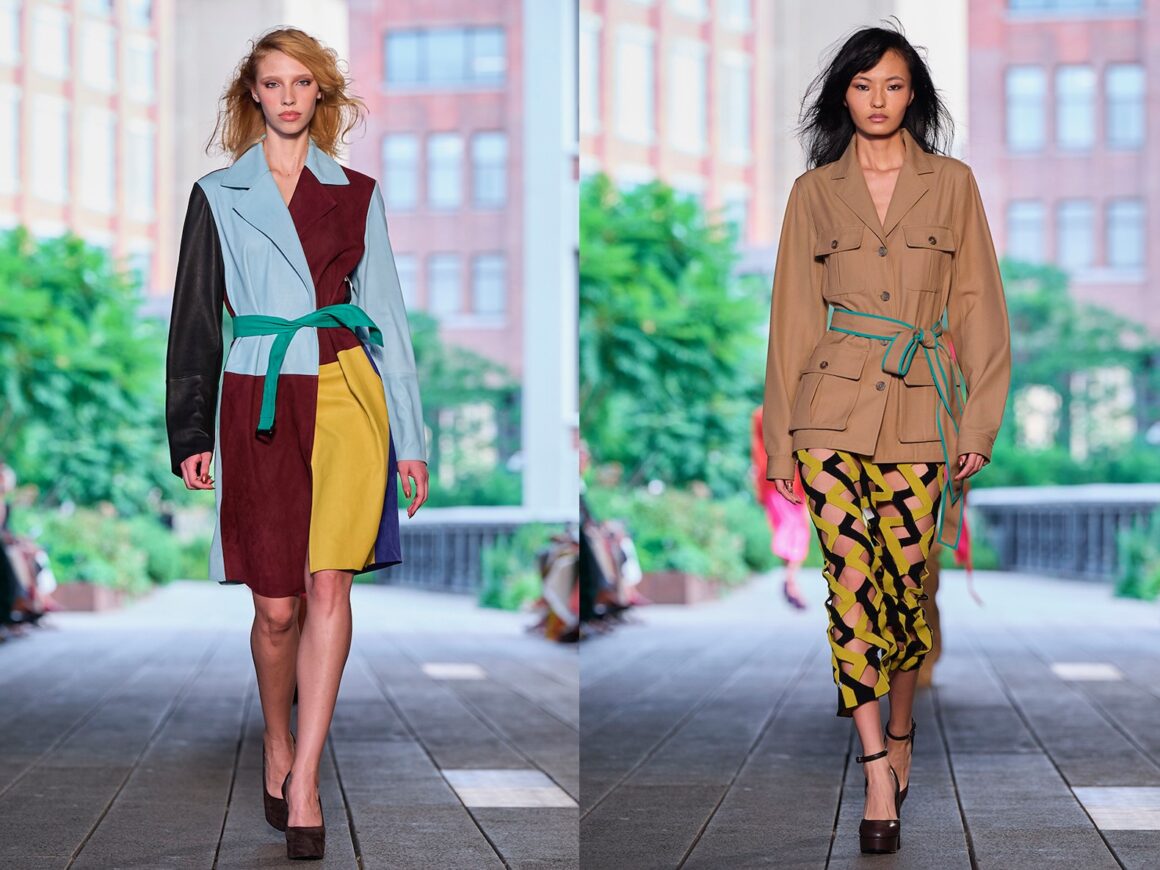
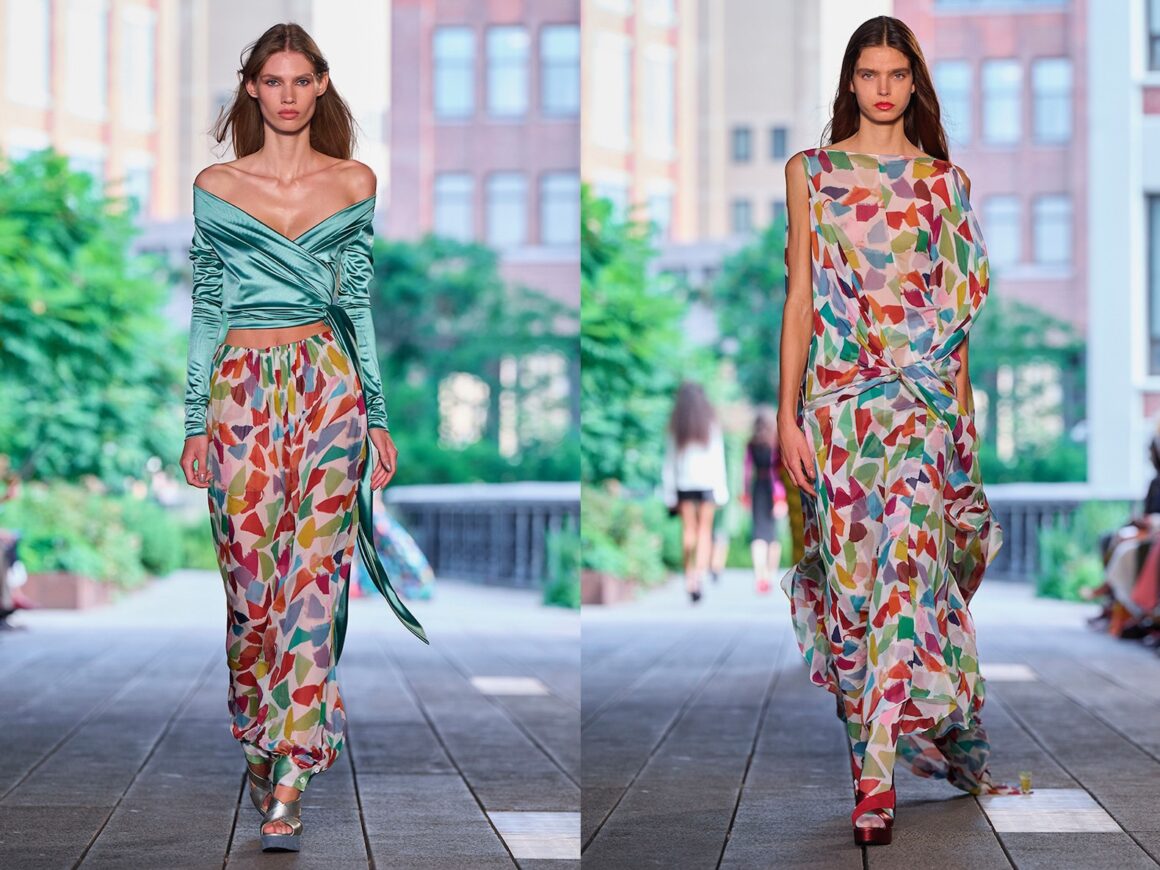
In a new chapter for the label, Henry Zankov presents his first full collection as artistic director for Diane von Furstenberg. The Spring 2027 collection takes the runway outside, literally. Set to the backdrop of New York’s High Line, the collection is a new beginning for the house that honors its past but doesn’t let it dictate the brand’s future.
Henry Zankov is no stranger to DVF. He spent time working in the brand’s knitwear division from 2014 to 2018 before going on to develop his own label. His namesake collection is known for its expressive use of color and pattern, and an intuitive sense of texture. He rejoined the house as a knitwear consultant in 2024 and became DVF’s artistic director in May of 2026.
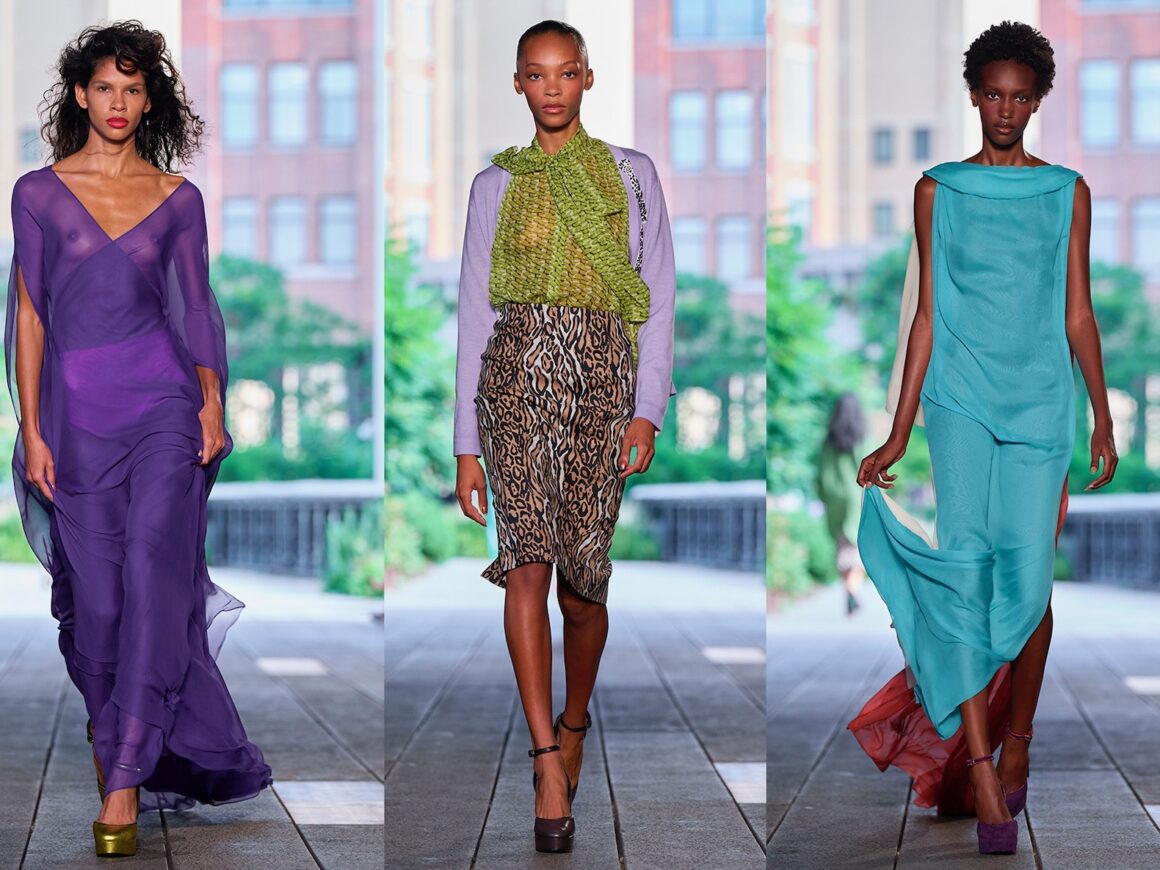
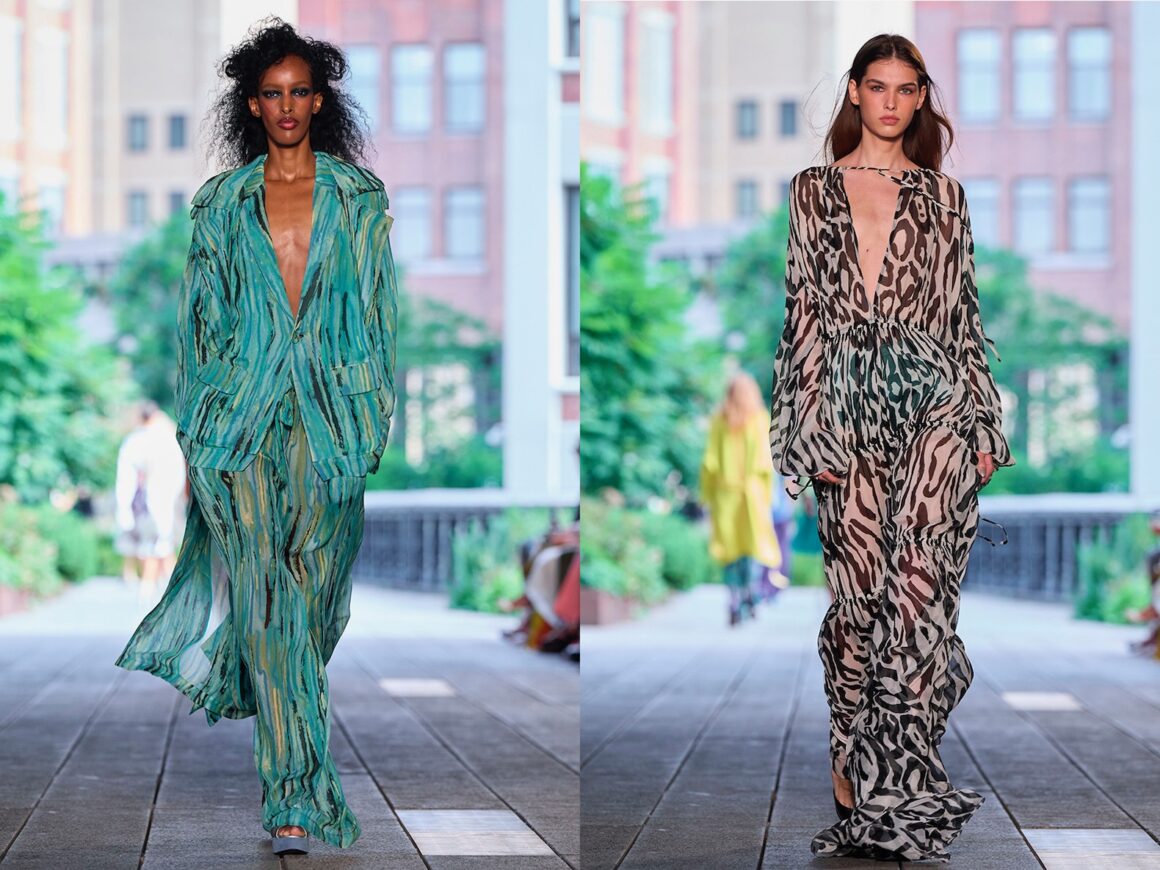
It is clear that Zankov is familiar with DVF’s brand. The lookbook is filled with DVF staples: jersey, body-hugging silhouettes, animal prints, pops of color and, of course, the wrap dress. That said, Zankov is looking to evolve the house’s aesthetic. The collection shows off bolder use of stripes and more unexpected silhouettes. Zankov also gives knitwear a more prominent role in the collection, an area of the label he is especially familiar with and one that is very appropriate for DVF.
The collection plays with the interplay between structure and spontaneity. Slim, narrow silhouettes are layered and contrasted with graphic knitwear and draped skirts. The sensuality DVF is known for appears in the movement of the pieces rather than overt skin exposure.
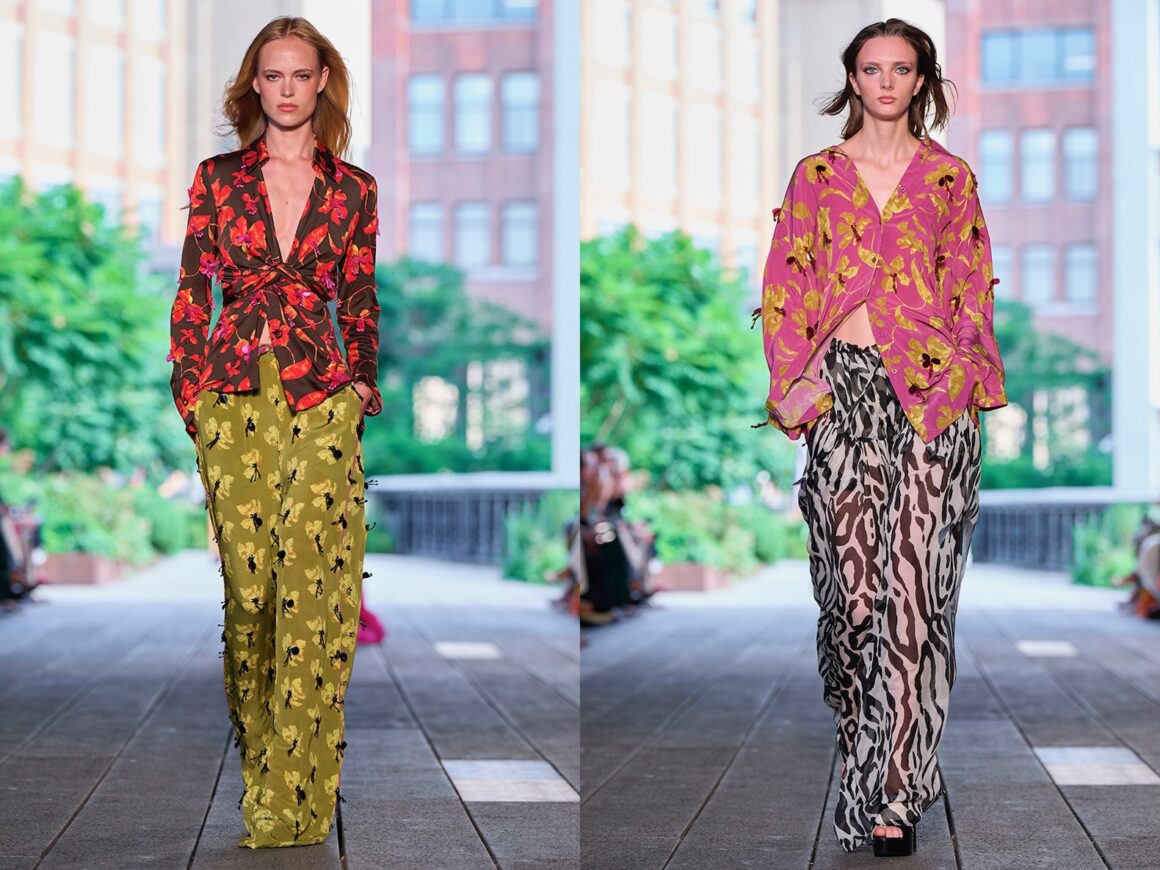
The High Line was a fitting location for this collection. As models walked the runway, their dresses billowed, showing the subtle play between the body and fabric. Chiffon, silk and jersey floated in the breeze, as dresses twisted, skirts unfolded with each step, and loose layers floated away from the body before settling back into place. The ease of the collection feels intentional, rather than careless.
Zankov’s collection nods to the spirit of 1970s New York that von Furstenberg helped to establish as an icon of American fashion. The uninhibited style of the 1970s is evident in this collection’s fluid silhouettes, vibrant color palette, and unapologetic femininity. But Zankov isn’t attempting to create a look from a particular time period; rather he’s taking the attitude of this era and making it his own. In this case, it’s the confidence that comes from feeling completely at ease with what you’re wearing.
Knitwear, needless to say, makes for some of the most interesting looks in Zankov’s collection. He has a knack for playing with color as an expressive element and he does a fantastic job with the DVF collection by adding a new color perspective. Vividly striped knitwear breaks up muted neutrals, while changes in length and proportion add a touch of unexpectedness to some classic looks.
One of our favorite looks from the collection features a knit top with long sleeves, striped in bright bands of pink, green, mustard, navy, and blue. It’s paired with a softly structured skirt in a muted khaki-camel tone. The top is quite long, falling nearly to hip level. Its elongated proportions play in interesting ways with the loosely wrapped construction of the skirt.
This is a seemingly simple look, but it captures the spirit of the entire collection nicely. The exuberance of the knit top is beautifully played against the muted earthiness of the skirt. There’s a great play with color, texture, and draping that gives this outfit a fun, spontaneous feel. Everything here is beautifully done without being overly styled, and there’s a sense that the wearer is not someone who is overly interested in fashion, but is completely at home in it. She understands fashion and is at ease in it, but is not a slave to it.
This is something that feels especially relevant to the DVF aesthetic. The wrap dress was revolutionary, not because it was a showy garment, but because it gave women an easy and uncomplicated way of feeling powerful and desirable. The wrap dress has remained so popular because of the relationship between clothing and autonomy that DVF pioneered.
Zankov understands that it is not the wrap dress itself, or a print, or even the brand’s history that is the most valuable asset of DVF. It’s the attitude.
The clothes in Henry Zankov’s Spring 2027 collection for DVF playfully straddle the boundary between practical and expressive. There are many looks here that embody the straightforward DVF aesthetic, and there are some looks that feel a bit more playful and experimental. The best looks find that perfect middle ground between DVF’s classic, practical aesthetic and Zankov’s playful, modern one.
It’s a tricky thing to do, especially for a designer working within a house with such a strong, established identity. How does one bring his or her own perspective to the table without compromising what has made the house such an important part of the fashion landscape in the first place? It seems that Zankov has found the answer. The trick is not to reinvent DVF, but to expand on it.
The wrap dress has secured Diane von Furstenberg’s place in fashion history, but it’s not the wrap dress that is the most important part of her legacy. It’s the idea of freedom.
In his Spring 2027 collection for DVF, Henry Zankov begins to explore what that freedom might look like for a new generation.