

The 2027 Toyota Highlander is entering a new era — and this time, it’s fully electric.
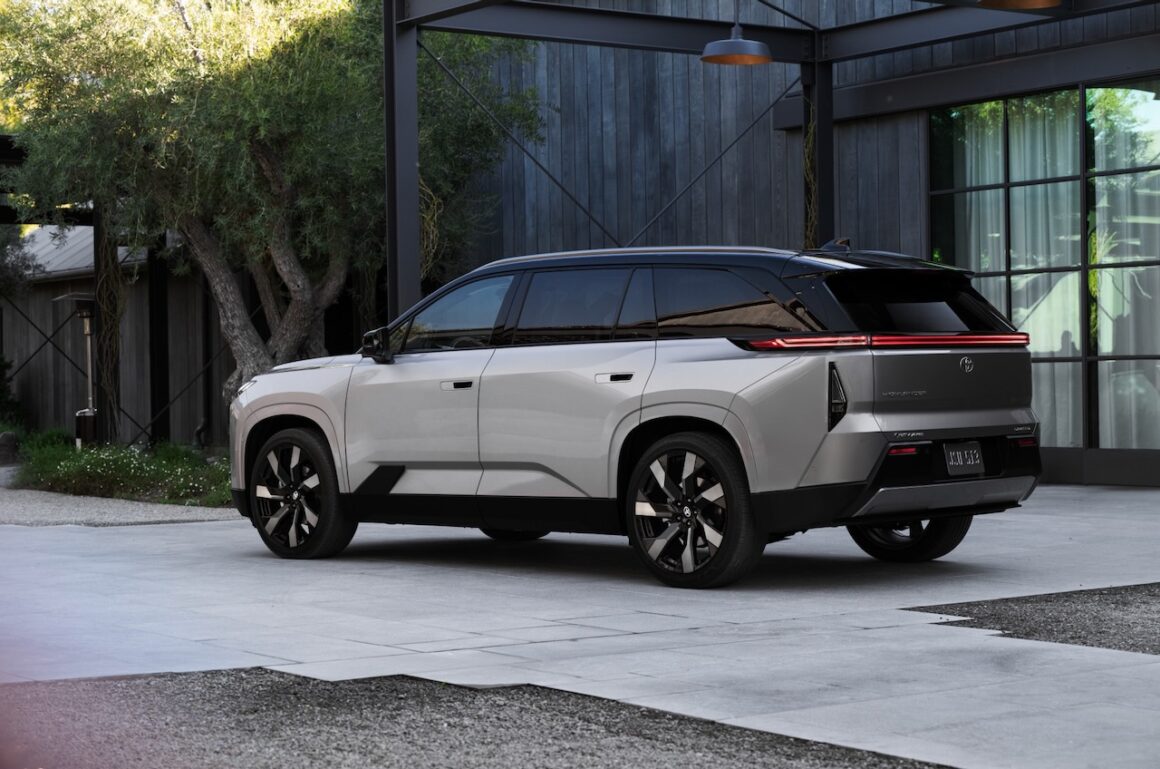
For families who have long relied on the Highlander as the dependable centerpiece of everyday life, the shift to battery power feels less like a radical departure and more like a natural evolution. The all-new 2027 Highlander EV is Toyota’s first three-row electric vehicle for the U.S., and notably, its first EV assembled in America. But beyond the production milestones, this SUV signals something more meaningful: a quieter, cleaner, more design-forward way to move through daily life.
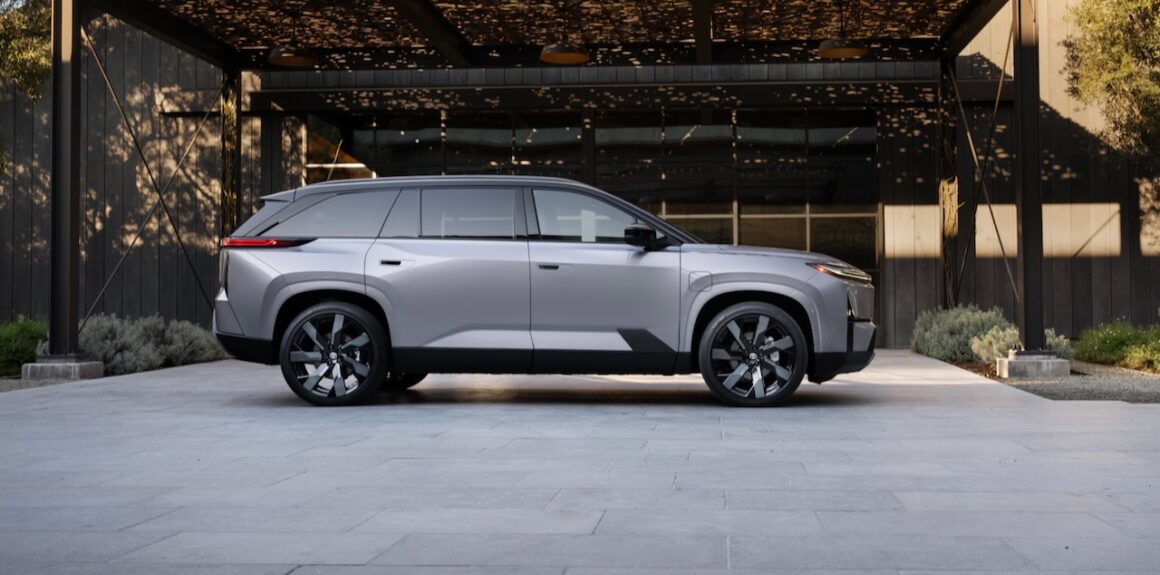
The new Highlander keeps its core promise intact — room for the whole crew — but refines it with a modern, almost architectural sensibility. Its proportions are wider and slightly lower, giving it a more planted stance. Slim LED lighting and flush door handles sharpen the profile, while broad fenders give it presence without feeling aggressive.
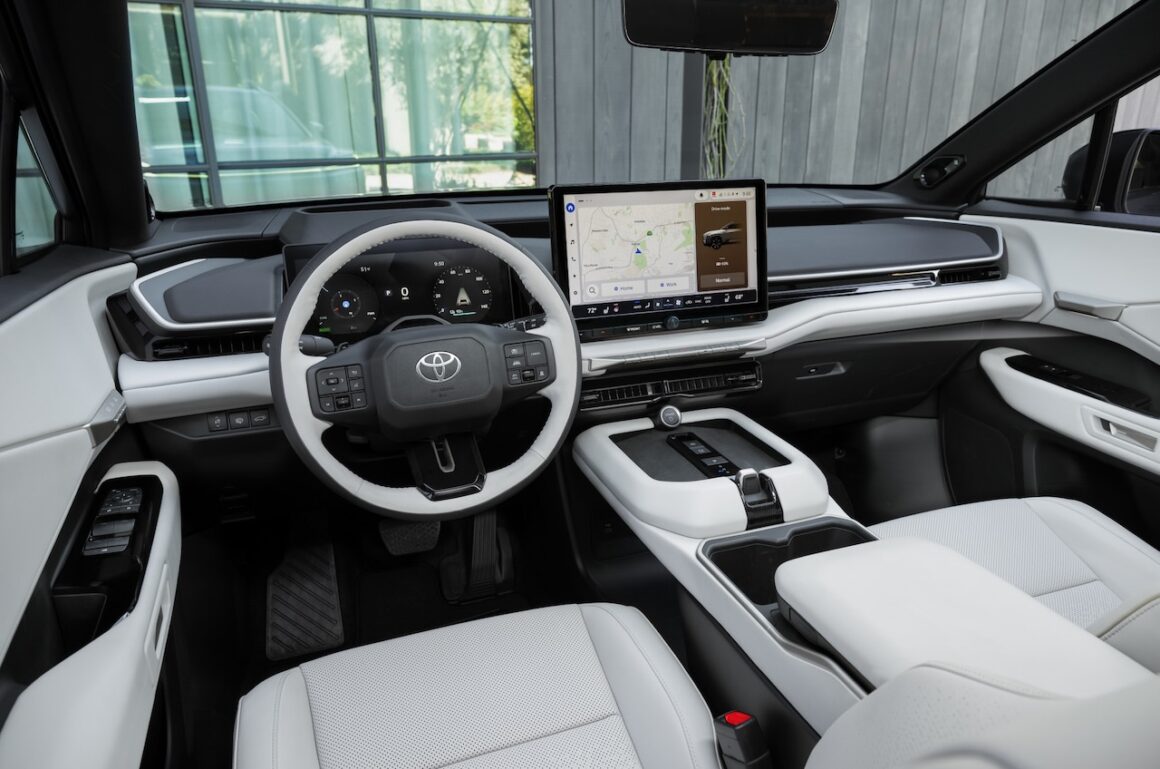
Inside, the cabin feels intentionally elevated. A 14-inch central touchscreen anchors the dashboard, paired with a 12.3-inch digital gauge cluster. Physical climate controls remain (thankfully), keeping usability intuitive. Ambient lighting — with 64 available colors — allows you to shift the mood from early morning school runs to late-night dinner reservations.
Second-row captain’s chairs come standard, with an optional bench to seat up to seven. Fold the third row flat and you get over 45 cubic feet of cargo space — enough for luggage, sports gear, or a weekend market haul.
Available features like a panoramic glass roof, ventilated front seats, heated second-row seats, and a head-up display reinforce that this isn’t just about efficiency. It’s about comfort, detail, and atmosphere.
Range and charging are often the first questions families ask — and Toyota seems to understand that.
Depending on configuration, the 2027 Highlander EV offers:
- Up to 287 miles (XLE FWD, 77.0-kWh battery)
- Up to 270 miles (XLE AWD, 77.0-kWh battery)
- Up to 320 miles (AWD with 95.8-kWh battery)
It comes standard with a North American Charging System (NACS) port, meaning access to Tesla’s Supercharger network and thousands of compatible fast-charging stations. Under ideal conditions, Toyota estimates a 10% to 80% charge in around 30 minutes.
The Highlander also introduces Vehicle-to-Load (V2L) capability — essentially turning your SUV into a mobile power source. Whether powering tools during a renovation, charging devices at a tailgate, or providing backup power during an outage, it adds a practical layer to the EV lifestyle.
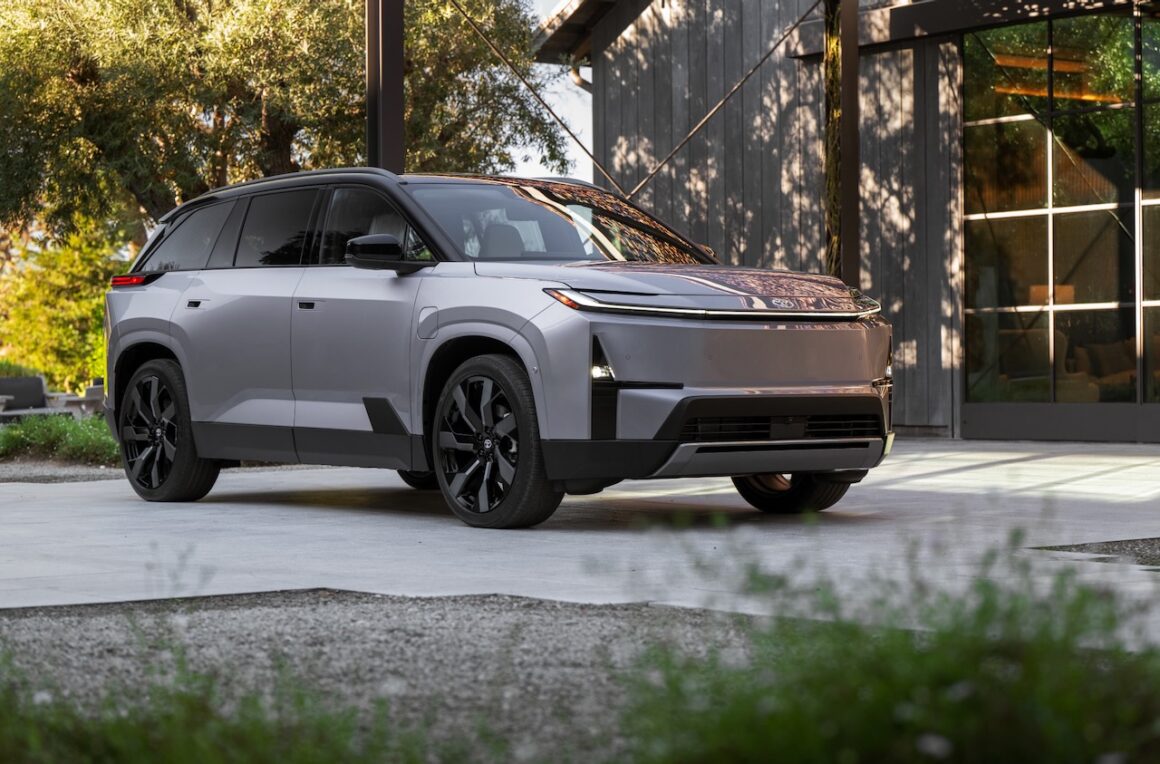
Front-wheel-drive models deliver 221 horsepower, while AWD versions produce 338 horsepower and 323 lb-ft of torque. The low center of gravity from the battery pack should also make the Highlander feel more stable and composed than the outgoing model.
The 2027 Highlander EV will be assembled in Georgetown, Kentucky, with batteries sourced from Toyota’s new North Carolina facility. Sales are expected to begin in late 2026, with pricing announced closer to launch.